- Client-Centered Therapy
- Cognitive Behavioral Therapy
- Solution-Focused methods
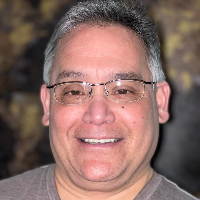
About Carlos
He began his career in 1980 as a case manager supporting people with severe physical disabilities. After earning a Master of Social Work in 1991 he provided county mental health services to people experiencing severe mental illness and homelessness. Those years gave him broad exposure to depression, PTSD, anxiety, thought disorders, and substance problems.
Carlos describes himself as a generalist who listens closely and treats people with respect and dignity. In sessions he focuses on practical steps that help reduce the daily impact of emotional problems. He aims to help people learn coping skills and clearer ways to think about difficult situations.
His approach draws on Client-Centered methods, Cognitive Behavioral Therapy, Solution-Focused techniques, and Trauma-Focused Therapy. That mix lets him respond to immediate concerns while also addressing longer-standing patterns that keep people stuck.
People who turn to him often want straightforward, experience-based help rather than complex jargon. He works to identify goals and small, achievable changes. He encourages active collaboration so people can try different strategies and see what helps in real life.
Areas of expertise
Primary focus
Also works with
Additional focus areas
Therapeutic approaches
Experience
30+ years
Credentials
Kansas
Languages
English
How his approaches translate to online sessions
Client-Centered Therapy centers the person's experience and priorities. In practice this means the therapist listens, reflects what matters most, and shapes sessions around the client's concerns. It can help with feelings like guilt, shame, and relationship strain by focusing on what the client wants to change.Cognitive Behavioral Therapy (CBT) looks at patterns of thought and behavior. It uses clear, practical exercises to test and shift unhelpful thinking and to build specific coping skills for anxiety, depression, and sleep problems.
Finding the right approach is part of the work. Carlos will talk with the client about goals, try methods that fit those goals, and adjust plans together. The choice of technique is collaborative and may change as progress is made.
The therapist's biography does not list specific online session formats, so confirm current options before booking. Many people find online sessions help fit therapy into a busy week, reduce travel time, allow shorter check-ins, or make it easier to keep appointments around work and family obligations. Therapists and licensed professionals can discuss whether video, phone, or other arrangements suit a person’s needs when arranging the first session.
Frequently asked questions
What kinds of concerns does he address?
He works with stress, anxiety, trauma and abuse, depression, addictions, relationship and intimacy issues, grief, and guilt and shame among other topics.
How would he describe his therapeutic style?
He uses a practical, listening-based style that emphasizes respect and dignity. Sessions focus on coping skills and finding steps that reduce daily problems.
How much experience does he bring?
He has 30 years of professional experience, beginning in 1980 and holding a Master of Social Work since 1991.
What credential does he hold and where is he located?
He is a KS LSCSW and practices in Kansas.
Are sessions offered in languages other than English?
Sessions are offered in English.
Can international clients work with him?
He accepts international clients.
What session formats are available?
The original biography does not list specific session formats. Confirm current session options before booking.
How are fees and getting started handled?
Cost varies with location and sessions use a subscription that can be canceled at any time. To begin, select the See online therapy options button, complete a short matching questionnaire, and schedule a first session.
Before you get in touch
The therapists listed here offer talking therapy online. A profile shows how someone describes their work; it cannot tell you how therapy will go, and nobody can promise that guilt or shame will ease by a certain time.
If you are thinking about harming yourself, or you feel unsafe, please contact a crisis line now. The numbers are at the foot of this page.