- Cognitive behavioral tools
- Existential questions
- Mindfulness practices
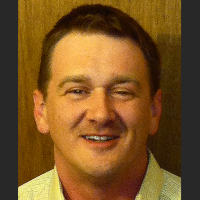
About Brooks
Johnson begins by treating each person as someone with purpose and the capacity to move forward. He uses neuropsychotherapy as a guiding framework and pulls tools from cognitive behavioral and existential approaches. He also draws on person-centered and Adlerian ideas to shape conversations and goals.
Sessions focus on clear, practical steps and on understanding the thoughts and habits that keep someone stuck. He will talk through patterns, try out small changes, and check what actually helps in day-to-day life. Spiritual issues are welcomed when they matter to the client and are discussed according to each person’s beliefs.
Johnson balances formal education with lessons learned from long experience. That background informs how he responds to problems like trauma, addiction, and persistent guilt. He aims to be straightforward and practical rather than theoretical in the therapy room.
People who come with specific concerns such as impulsivity, codependency, caregiving stress, or hospice and end-of-life questions will find his practice includes those topics. He also works with issues related to family problems, forgiveness, and feelings of isolation.
For someone dealing with shame or guilt, sessions center on examining what led to those feelings and on testing realistic steps forward. The work moves at a pace the person can manage, focusing on behavior, thinking, and meaning in everyday life.
Areas of expertise
Primary focus
Also works with
Additional focus areas
Therapeutic approaches
Experience
27+ years
Credentials
Florida
Languages
English
How his approaches translate to online work
Brooks commonly uses Cognitive Behavioral Therapy and Existential Therapy alongside mindfulness practices. CBT looks at the link between thoughts, feelings, and actions, and helps people test small behavior changes to reduce anxiety or depressive patterns. Existential Therapy focuses on questions about meaning, values, and responsibility, which can help when guilt, shame, or life purpose are central concerns. Mindfulness Therapy teaches present-moment awareness and simple exercises that can reduce reactivity and improve concentration.Choosing an approach is a collaborative process. He will discuss what feels most relevant and try methods that fit a person’s goals. Together they check what works and adjust the plan over time rather than sticking to a single method from the start.
The biography does not list specific session formats, so confirm the current options before booking. Online work can make it easier to fit short check-ins or regular sessions into a busy week, avoid travel time, or use video or phone depending on what matters for sound and comfort. Therapists in general aim to match session rhythms and tools to a person’s daily life so therapy can be practical and usable.
Frequently asked questions
What kinds of problems does he help with?
He works with stress, anxiety, depression, addictions, trauma, grief, relationship and intimacy issues, and guilt and shame among other concerns.
How would he approach feelings of shame or guilt?
He examines the thoughts and behaviors that keep those feelings alive and uses practical steps to test changes and reduce their impact on daily life.
What is his professional background?
He has 27 years of experience and combines formal education with the insights gained from long clinical work and life experience.
What credential and location does he hold?
He is a Florida LMHC and practices in Florida.
Does he work in languages other than English or with international clients?
Sessions are offered in English and he is not currently accepting international clients.
What session formats are offered?
Please confirm current session options before booking as the biography does not list specific session formats.
How are fees handled?
Cost varies with location and sessions use a subscription that can be canceled at any time.
How do I begin working with him?
Begin by selecting the See online therapy options button, completing a short matching questionnaire, and scheduling a first session.
Before you get in touch
The therapists listed here offer talking therapy online. A profile shows how someone describes their work; it cannot tell you how therapy will go, and nobody can promise that guilt or shame will ease by a certain time.
If you are thinking about harming yourself, or you feel unsafe, please contact a crisis line now. The numbers are at the foot of this page.