- ACT and CBT methods
- Mindfulness practice
- Work with LGBTQ+
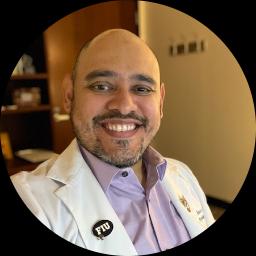
About Bosco
He has worked in both hospital and outpatient clinic settings since 2006. Much of his clinical time has been with veterans and with LGBTQ+ clients, helping with trauma, mood disorders, and identity-related concerns. That background shapes how he listens and responds to people who feel judged or stuck.
In sessions he uses behavioral-cognitive methods and solution-focused work as a base. He often combines those with mindfulness, motivational interviewing, and Acceptance and Commitment Therapy. Conversations tend to be practical, with attention to what people want to change and which steps feel doable.
He says respect, dignity, and straightforward feedback are necessary for change. He avoids labels and aims to reduce stigma so people can talk about sensitive topics like shame, body image, or infidelity without extra pressure.
His schedule on this platform is part-time while he also works full-time at a hospital, so he offers evening and weekend hours. Sessions are offered in English and Spanish. The first steps are a short matching questionnaire and then scheduling an initial meeting.
Areas of expertise
Also works with
Additional focus areas
Therapeutic approaches
Experience
20+ years
Credentials
Georgia, Florida
Languages
English, Spanish
How his approaches work for online sessions
Dr. Lorio uses Cognitive Behavioral Therapy and Acceptance and Commitment Therapy in ways that translate to online work. CBT focuses on identifying unhelpful thoughts and testing small behavioral changes, which can fit into short weekly practices or between-session experiments. ACT emphasizes noticing thoughts and values-based action, helping people take steps toward what matters even when shame or fear is present.He also draws on Client-Centered ideas, which means conversations aim to be straightforward and respectful while the client and therapist decide what to try. Figuring out which approach fits best happens together, based on your goals, life demands, and what feels useful in early sessions.
The original biography does not list specific session formats on this platform, so confirm the available options before booking. Online work can make it easier to fit therapy into busy schedules, allow shorter check-ins when needed, and reduce travel time. The therapist will discuss practical scheduling, evening and weekend possibilities, and how to structure sessions so they fit into everyday life.
Frequently asked questions
What kinds of problems does he address?
He works with stress, anxiety, depression, trauma and substance concerns, along with relationship and intimacy-related issues and feelings of guilt and shame.
How would he approach guilt or shame?
He combines behavioral-cognitive techniques with acceptance and mindfulness tools to help name the feeling and try small, practical changes in thinking and behavior.
What is his clinical background?
He has worked in mental health since 2006 in hospital and outpatient clinic settings and has around 20 years of experience, including work with veterans and LGBTQ+ clients.
What credentials and location does he hold?
He is a Florida LMHC and a Georgia LPC, and he practices from Georgia.
Does he offer therapy in other languages?
Sessions are offered in English and Spanish.
Can international clients work with him?
He is not accepting international clients at this time.
What session formats are available?
The original biography does not list specific session formats; please confirm current session options before booking.
How are fees and the subscription handled?
Cost varies by location and sessions use a subscription that can be canceled at any time; the process for starting includes a matching questionnaire followed by scheduling a first session.
Before you get in touch
The therapists listed here offer talking therapy online. A profile shows how someone describes their work; it cannot tell you how therapy will go, and nobody can promise that guilt or shame will ease by a certain time.
If you are thinking about harming yourself, or you feel unsafe, please contact a crisis line now. The numbers are at the foot of this page.