- Guilt and shame
- Mindfulness skills
- CBT and ACT methods
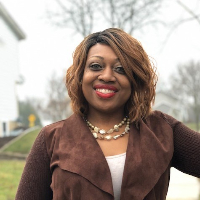
About Bonneka
She sees the person first, not a diagnostic label. Sessions focus on practical skills and awareness that can change daily reactions. Work often includes looking at unhelpful patterns, learning coping tools, and building clearer communication in relationships. The biography notes use of mindfulness and approaches that encourage acceptance alongside change.
Bonneka describes therapy as a collaborative process. She frames treatment as something done together rather than prescribing answers. That approach can feel direct and hands-on for people who want clear steps and feedback.
Her methods draw on several evidence-based approaches, including cognitive behavioral ideas, acceptance-based work, emotion-focused practices, and skills from dialectical behavior work. These are used to address trauma, addictive behaviors, intense emotions, and relationship problems. She also incorporates coaching-style conversations for career or life-transition goals.
Sessions typically include talking through current problems, practicing skills in session, and setting small goals between meetings. People who come for help often want to reduce shame or guilt, manage anxiety, or get unstuck from repetitive behaviors. The description recommends selecting the online therapy options, completing a short matching questionnaire, and scheduling a first session when ready.
Areas of expertise
Primary focus
Also works with
Additional focus areas
Therapeutic approaches
Experience
10+ years
Credentials
Wisconsin
Languages
English
How her approaches translate to online work
Acceptance and Commitment Therapy (ACT) focuses on noticing painful thoughts and feelings while choosing actions that align with personal values. It can help with persistent guilt, avoidance, and hard life decisions. Cognitive Behavioral Therapy (CBT) looks at links between thoughts, feelings, and behavior and uses practical exercises to change patterns like anxiety, depression, or unhelpful thinking. Emotionally-Focused Therapy (EFT) centers on understanding and expressing emotions to improve relationship interactions and close connection issues.Finding the right approach is part of the work. Bonneka treats therapy as a collaborative process and will help figure out which methods fit the client's needs, goals, and preferences. That means trying techniques together, checking what feels useful, and adjusting based on progress and feedback.
Confirm current online session options before booking because the biography does not list specific formats. In practice, remote sessions can make it easier to fit therapy into weekday breaks, reduce travel time, or allow shorter check-ins when life is busy. Online work still involves the same active skill practice and collaborative planning used in person, with a focus on exercises and tools you can apply between sessions.
Frequently asked questions
What kinds of concerns does she help with?
She works with adults on stress, anxiety, depression, trauma, addictions, relationship and intimacy issues, grief, and related concerns such as guilt and shame.
How would she approach shame or guilt?
She blends acceptance-focused work with cognitive and emotion-focused methods to help people notice patterns, tolerate hard feelings, and try different behaviors over time.
How much experience does she have?
She has ten years of experience working with adults on a variety of mental health and life concerns.
What are her credentials and where does she practice?
She is a Licensed Professional Counselor (LPC) practicing in Wisconsin.
Are sessions offered in other languages or to international clients?
Sessions are offered in English and she is not currently accepting international clients.
What session formats are available?
Confirm current session options before booking, as the biography does not specify session formats.
How does payment and cost work?
Cost varies with location; sessions use a subscription that can be canceled at any time.
How do I start a first session?
Select the See online therapy options button, complete a short matching questionnaire, and schedule a first session.
Before you get in touch
The therapists listed here offer talking therapy online. A profile shows how someone describes their work; it cannot tell you how therapy will go, and nobody can promise that guilt or shame will ease by a certain time.
If you are thinking about harming yourself, or you feel unsafe, please contact a crisis line now. The numbers are at the foot of this page.