- Client-centered methods
- Cognitive Behavioral Therapy
- Mindfulness techniques
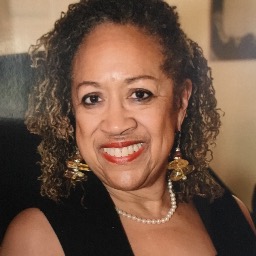
About Blandina
Early in her career she supported people leaving incarceration and recovery programs. That work ranged from job search skills to rebuilding self-esteem. She later worked in university and community college counseling, helping people complete classes, clarify career plans, and manage homelessness, trauma, and single parent challenges.
Following a PhD, she moved into administration and supervision while keeping counseling at the core of her work. She taught communication skills and problem solving to staff and modeled practical approaches for teams under pressure. Listening remained central to her approach throughout these roles.
Her practice draws on client-centered ideas that emphasize acceptance and collaboration. She also uses Cognitive Behavioral Therapy, mindfulness techniques, and solution-focused methods to help people notice patterns, try new responses, and set small manageable goals. Group work and workshops have been part of her professional offering as well.
She describes counseling as a process of offering options, support, and concrete skills so people can move forward. People who come for help around grief, guilt and shame, career shifts, or overwhelming stress will find an approach that combines conversation with hands-on problem solving.
Areas of expertise
Primary focus
Also works with
Additional focus areas
Therapeutic approaches
Experience
3+ years
Credentials
Michigan
Languages
English
How her approaches translate to online work
Dr. Rose-willis commonly draws on client-centered work and Cognitive Behavioral Therapy in sessions. Client-centered work focuses on listening closely and helping people identify what matters to them, which can be useful for sorting through guilt and shame. CBT looks at patterns of thought and behavior and offers practical experiments and small changes to reduce unhelpful cycles.She also uses mindfulness techniques to help people notice difficult feelings without getting overwhelmed, and solution-focused steps to set short, achievable goals. Deciding which mix to use is collaborative: she will work with the client to pick approaches that fit the person's needs, goals, and preferences rather than assuming one method up front.
The practical benefit of working online is being able to fit sessions into a busy week and reduce travel time. The biography does not list specific session formats, so confirm the available online options before booking. Online sessions can make it easier to keep regular check-ins, try brief focused work or use mindfulness exercises between meetings, depending on the format that is offered.
Frequently asked questions
What kinds of issues does she help with?
She works with stress, anxiety, depression, career questions, addictions, grief, relationship concerns, self-esteem, ADHD, and feelings of guilt and shame among other issues.
How would she approach shame or guilt in sessions?
She uses client-centered listening together with Cognitive Behavioral Therapy and mindfulness to help people notice unhelpful thoughts and try alternative responses.
What background does she bring to this work?
Her experience includes supporting ex-offenders and people in recovery, university and community college counseling, group work, workshops, and administrative supervision after completing a PhD.
What are her credentials and where is she based?
She is a Licensed Professional Counselor (LPC) practicing in Michigan.
In which language are sessions offered?
Sessions are offered in English and international clients are accepted.
What session formats are available?
The original biography does not list specific session formats; confirm the current session options before booking.
How does payment work and what does it cost?
Cost varies with location and sessions use a subscription that can be canceled at any time.
How do I begin working with her?
Select the See online therapy options button, complete the short matching questionnaire, and schedule a first session.
Before you get in touch
The therapists listed here offer talking therapy online. A profile shows how someone describes their work; it cannot tell you how therapy will go, and nobody can promise that guilt or shame will ease by a certain time.
If you are thinking about harming yourself, or you feel unsafe, please contact a crisis line now. The numbers are at the foot of this page.