- Guilt and shame work
- CBT and EMDR methods
- Addiction and mood issues
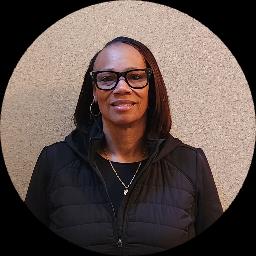
About Betty
Her background includes a Master of Science in Community Counseling from Oklahoma State University and bachelor degrees in psychology and criminal justice. She has worked in correctional settings, drug court programs, methadone clinics, homelessness services, and now maintains a independent practice. That range means she is familiar with different life situations and systems people live in.
In sessions she uses practical, evidence-informed methods like cognitive behavioral techniques, EMDR, dialectical behavior skills, emotion-focused work, and client-centered approaches. Her style centers on listening, asking clear questions, and offering encouragement. Conversations tend to focus on what is happening now and on small steps a person can try between sessions.
She has experience with substance misuse, mood instability including bipolar concerns, and relationship problems including infidelity, communication breakdown, and codependency. She also names work with BDSM, kink, and alternative sex culture, and with issues related to gender dysphoria and LGBT concerns.
People who contact her are usually looking for straightforward help sorting feelings, changing unhelpful patterns, and managing daily stressors. To begin, prospective clients follow the site matching process and schedule an initial appointment.
Areas of expertise
Primary focus
Also works with
Additional focus areas
Therapeutic approaches
Experience
18+ years
Credentials
Oklahoma
Languages
English
How therapeutic approaches translate to online sessions
Client-Centered Therapy focuses on listening and supporting a person's own goals. It is about exploring what matters to the person and helping them name steps they want to try. Cognitive Behavioral Therapy (CBT) looks at how thoughts and behaviors interact. It offers practical skills to test and change unhelpful thinking and to try different behaviors between sessions. Eye Movement Desensitization and Reprocessing (EMDR) is used for processing traumatic memories and reducing their emotional intensity through structured sets of procedures; it can help when past events keep resurfacing.Choosing an approach is a collaborative process. The therapist will discuss what feels most useful, combine methods when appropriate, and adjust plans based on the client's goals and responses. The aim is to find a mix of tools that fit the person's situation and preferences rather than using a single fixed method.
The biography does not list specific session formats, so confirm which options are offered before booking. Online work can make it easier to fit sessions into a busy life - for example, shorter check-ins during a work break or avoiding travel time. It can also allow different kinds of in-session exercises, like guided skills practice or structured trauma processing, without changing the core methods. Ask about current session options when you schedule so arrangements match your needs.
Frequently asked questions
What kinds of problems does she help with?
She works with stress, anxiety, depression, addictions, relationship strain, trauma and abuse, and related concerns such as guilt and shame and issues around identity and intimacy.
How would she approach feelings of shame or guilt?
She uses practical techniques from cognitive behavioral work alongside emotion-focused and client-centered approaches to talk through feelings and identify actionable steps.
How much experience does she have?
She has 18 years of experience in counseling, including work in correctional settings, drug court, methadone clinics, homeless services, and independent practice.
What credential does she hold and where does she practice?
She is an LPC (Licensed Professional Counselor) practicing in Oklahoma.
Does she offer sessions in other languages or to international clients?
Sessions are offered in English and she is not currently accepting international clients.
What session formats are available?
The original biography does not specify exact session formats; please confirm current session options before booking.
How does payment work and what does it cost?
Cost varies by location and sessions use a subscription that can be canceled at any time.
What do I need to do to get started?
Select the See online therapy options button, complete a short matching questionnaire, and schedule a first session.
Before you get in touch
The therapists listed here offer talking therapy online. A profile shows how someone describes their work; it cannot tell you how therapy will go, and nobody can promise that guilt or shame will ease by a certain time.
If you are thinking about harming yourself, or you feel unsafe, please contact a crisis line now. The numbers are at the foot of this page.