- Trauma-focused care
- Addiction support
- CBT and EMDR
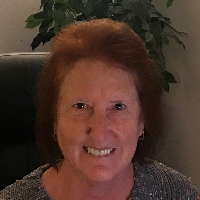
About Belinda
Belinda's background includes work in community programs, correctional settings, and military contexts. She helped set up a family counseling program within an inpatient substance abuse facility and has managed an outpatient clinic addressing mental health and substance use. Over recent years she has focused on supporting service members and military families with problems related to service and deployments.
Her approach combines practical, skills-based methods with trauma-focused care. She uses Cognitive Behavioral Therapy to address unhelpful thinking and behavior patterns, and EMDR as a trauma-focused technique. Motivational Interviewing and Solution-Focused Therapy are tools she brings for change-oriented work such as addiction or setting short-term goals.
Belinda is open to discussing matters of faith and can integrate Christian perspectives into sessions when clients want that. Sessions are conducted in English and she practices in Louisiana. She does not work with international clients.
To begin, readers are asked to use the site's matching button to complete a short questionnaire and schedule a first session. The practice uses a subscription that can be canceled at any time, and costs vary by location.
Areas of expertise
Also works with
Additional focus areas
Therapeutic approaches
Experience
12+ years
Credentials
Louisiana
Languages
English
How evidence-based approaches translate to online sessions
Belinda uses Cognitive Behavioral Therapy and EMDR as part of her work. CBT focuses on identifying and changing unhelpful thoughts and behaviors, which can be practiced through structured conversations, exercises, and homework. EMDR is a trauma-focused technique that involves processing distressing memories and associated feelings, and it can be adapted to remote sessions when appropriate.Finding the right approach is part of the work together. The therapist will discuss goals, preferences, and the nature of the difficulties to decide whether CBT, EMDR, Motivational Interviewing or solution-focused strategies best fit the client. That choice is made collaboratively and can change as progress is made.
Confirm the available session formats before booking, as the profile does not list specific options. Online sessions can make it easier to fit therapy into a busy day, allow shorter check-ins when needed, and reduce travel time. These practical benefits help people integrate sessions into work, caregiving, or other commitments while focusing on trauma, addiction, anxiety, or grief.
Frequently asked questions
What kinds of problems does she help with?
She works with stress, anxiety, addictions, trauma and abuse, grief, depression, guilt and shame, and related relationship and life-change concerns.
How would she approach feelings of guilt or shame?
She uses trauma-focused methods and Cognitive Behavioral Therapy to talk through the thoughts and patterns that keep guilt and shame active.
What is her clinical background?
She has 12 years of experience working in community, corrections, and military settings and has run outpatient and inpatient program work related to mental health and substance use.
What are her credentials and where does she practice?
She is an LPC (Licensed Professional Counselor) practicing in Louisiana.
Does she offer sessions in other languages or to international clients?
Sessions are offered in English. She is not accepting international clients.
What session formats are available?
Please confirm current session options before booking, as the profile does not list specific formats.
How much do sessions cost?
Costs vary with location; sessions use a subscription that can be canceled at any time.
How do I get started with her?
Select the See online therapy options button, complete the short matching questionnaire, and schedule a first session.
Before you get in touch
The therapists listed here offer talking therapy online. A profile shows how someone describes their work; it cannot tell you how therapy will go, and nobody can promise that guilt or shame will ease by a certain time.
If you are thinking about harming yourself, or you feel unsafe, please contact a crisis line now. The numbers are at the foot of this page.