- Attachment work
- Cognitive approaches
- Emotion-focused work
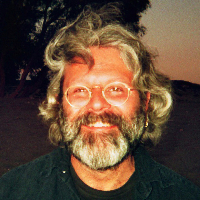
About Walter
He has been practicing since the early 1980s and brings decades of experience to each session. He has worked with many major life challenges and with both individuals and couples. His background includes training from a group of therapists who used a variety of approaches.
His practice uses talk therapy alongside creative and body-centered methods, cognitive techniques, and hypnosis. He also has training as a career counselor and draws on that experience for work related to work and vocational concerns. Sessions are led by the client’s needs and goals, with the therapist offering options to try.
In practical terms, sessions are collaborative. The client helps set the direction and pace of therapy. The therapist describes his role as assisting people to manage, heal, or come to terms with their suffering rather than promising fixed results.
For someone carrying guilt or shame about choices, identity, relationships, faith, or family history, he can help unpack those feelings in straightforward ways. The focus will be on what feels most pressing, practical strategies for coping, and understanding how past and present experiences connect.
Areas of expertise
Primary focus
Also works with
Additional focus areas
Therapeutic approaches
Experience
40+ years
Credentials
Vermont, Oregon, New Mexico
Languages
English
How his approaches translate to online work
Attachment-Based Therapy focuses on how early and ongoing relationships shape how people feel and relate now. Online sessions using this approach look at patterns in relationships and help identify different ways to connect or set boundaries. Cognitive Behavioral Therapy (CBT) focuses on patterns of thought and behavior that keep problems going. Online CBT sessions tend to include clear, practical steps and homework to try between meetings when anxiety, guilt, or shame are getting in the way.Choosing the right approach is part of the work. He will discuss options and decide together which methods to try based on the client’s concerns, goals, and comfort. That collaborative decision can shift as therapy proceeds.
The biography does not list specific session formats, so confirm current options before booking. Online work can make it easier to fit sessions into a busy life - for example shorter check-ins when time is tight, video when visual cues help the work, or phone for lower bandwidth and fewer camera demands. Therapists and licensed professionals use these practical variations to help therapy fit day-to-day life without changing the clinical focus.
Frequently asked questions
What kinds of problems does he address?
He works with stress, anxiety, relationship problems, grief, depression, addictions, trauma, intimacy issues, eating concerns, parenting stress, anger, self-esteem, career changes, and related concerns including guilt and shame.
How does he approach therapy?
He uses a mix of approaches including talk therapy, creative and body-centered methods, cognitive techniques, and emotion-focused work. Sessions are collaborative and guided by the client’s goals.
How much experience does he have?
He has been a practicing therapist since the early 1980s, bringing about 40 years of experience to his work with individuals and couples.
What are his credentials and where is he located?
He holds the credentials LPC and LCMHC and practices in New Mexico.
Does he offer sessions in other languages or to international clients?
Sessions are offered in English. He does not accept international clients.
What session formats are used?
The biography does not specify session formats. Please confirm current session options before booking.
How are fees handled?
Cost varies with location and sessions use a subscription model that can be canceled at any time.
What do I do to begin working with him?
Select the See online therapy options button, complete the short matching questionnaire, and schedule a first session.
Before you get in touch
The therapists listed here offer talking therapy online. A profile shows how someone describes their work; it cannot tell you how therapy will go, and nobody can promise that guilt or shame will ease by a certain time.
If you are thinking about harming yourself, or you feel unsafe, please contact a crisis line now. The numbers are at the foot of this page.