- Guilt and shame
- Caregiver stress
- Self-esteem work
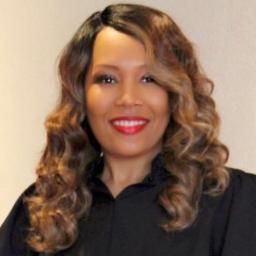
About April
She keeps conversation direct and practical. Sessions are a space to talk through what’s weighing on someone now and what patterns keep repeating. April listens for the things people say and the ways they get stuck, then helps outline small steps to try between meetings.
Her background includes clinical work in the mental health field beyond those three years of licensure, giving her familiarity with common reactions to loss, chronic stress, and relationship strain. She uses evidence-based therapeutic techniques to address symptoms and daily functioning rather than relying on jargon.
People come to her when guilt or shame makes it hard to move forward, or when caregiving and communication pressures crowd out other parts of life. April helps clients name specific feelings, test unhelpful thoughts, and practice different responses to old patterns.
Her approach favors clear goals and practical tools. She encourages small, repeatable changes and checks how those changes feel in real life. To begin, people follow the site’s matching steps to schedule a first session and see how the work fits their needs.
Areas of expertise
Primary focus
Additional focus areas
Experience
3+ years
Credentials
Mississippi
Languages
English
Approaches used and how online sessions work
April uses evidence-based therapeutic techniques that focus on changing unhelpful thinking and on building practical coping skills. Cognitive-behavioral strategies help identify and test negative thoughts, which can be useful when guilt, shame, anxiety, or low mood make thinking feel stuck. Behavioral tools focus on small, repeatable actions that change day-to-day functioning and can reduce isolation and improve mood.She also draws on brief problem-solving and communication-focused methods to help people set manageable goals and try new ways of interacting with others. These approaches aim to make distressing patterns more manageable and to give clear steps someone can practice between sessions. Choosing which methods to use is collaborative - the therapist and client decide together based on needs, goals, and what feels workable in everyday life.
Session formats are not specified in the biography, so confirm current session options before booking. Online sessions can make it easier to fit therapy into a busy schedule, allow shorter check-ins when needed, and remove travel time so people can attend from where they are. Licensed professionals can adapt the work to remote settings and help clients try techniques that translate into real routines and conversations.
Frequently asked questions
What concerns does she help with?
She works with stress, anxiety, relationship issues, grief, self-esteem, depression, and related concerns such as caregiver stress and guilt and shame.
How does she approach therapy?
She uses evidence-based therapeutic techniques and focuses on practical steps people can try between sessions.
What is her background and experience?
She has three years of clinical experience as a licensed clinician and additional work history in the mental health field.
What are her credentials and location?
She is a Licensed Professional Counselor (LPC) practicing in Mississippi.
Which languages are supported?
Sessions are offered in English.
Can people outside the US work with her?
She is not currently accepting international clients.
How are sessions priced?
Cost varies with location and sessions use a subscription that can be canceled at any time.
How do I begin if I want to work with her?
Select the See online therapy options button, complete the short matching questionnaire, and schedule a first session.
Before you get in touch
The therapists listed here offer talking therapy online. A profile shows how someone describes their work; it cannot tell you how therapy will go, and nobody can promise that guilt or shame will ease by a certain time.
If you are thinking about harming yourself, or you feel unsafe, please contact a crisis line now. The numbers are at the foot of this page.