- CBT and narrative work
- Mindfulness practice
- English and Tagalog
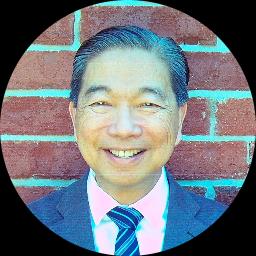
About Antonio
Antonio draws on straightforward, evidence-based methods in sessions. He uses Cognitive Behavioral Therapy to spot unhelpful thinking and try practical changes. He also uses Client-Centered and Solution-Focused approaches to prioritize what matters most to the client in the moment.
Sessions aim to clarify what a person is carrying and to build small, doable steps forward. He often helps people untangle relationship patterns, cope with grief, and manage sleep or anger problems. He also supports men who are sorting out identity, life purpose, or commitment questions.
His background includes time as a U.S. Air Force chaplain and a master’s degree in Clinical Mental Health Counseling from Texas A&M University-San Antonio. That experience informs how he talks about values, life transitions, and end-of-life concerns without assuming any single belief system.
People who choose him can expect a collaborative style that draws on narrative and mindfulness work when useful. Sessions address practical problems like money stress or sleep, and deeper feelings such as guilt, shame, or loneliness. To start, the site’s matching steps guide you toward scheduling an initial session.
Areas of expertise
Primary focus
Also works with
Additional focus areas
Therapeutic approaches
Experience
15+ years
Credentials
Texas
Languages
English, Tagalog
How Antonio uses therapeutic approaches in online sessions
Client-Centered Therapy focuses on listening and following what matters most to the client. It helps when someone needs space to sort out feelings and decide what to change. Cognitive Behavioral Therapy (CBT) looks at thoughts and behaviors that keep problems going and uses small experiments to test new ways of acting or thinking. CBT is often used for anxiety, depression, sleep, and persistent guilt.Finding the right approach is part of the work. Antonio will discuss methods and try different ways of working based on a client's needs, goals, and personal preferences. That discussion is collaborative and can change as progress is made.
The practical benefits of remote sessions include fitting appointments into a busy week and reducing travel time. Online meetings can make it easier to check in from work during a break or to choose audio-only when bandwidth or camera use is an issue. Confirm the exact session formats available before booking so you know which options are offered and how they fit into your schedule.
Frequently asked questions
What concerns does he focus on?
He works with stress, anxiety, grief, depression, relationship issues, self-esteem, sleep problems, anger, and related areas including guilt and shame.
How would he approach feelings of guilt or shame?
He uses approaches like Cognitive Behavioral Therapy and Narrative Therapy to help you describe the feeling, examine its origins, and try small behavior or thought changes.
What is his clinical background?
He has 15 years of experience and completed an M.A. in Clinical Mental Health Counseling from Texas A&M University-San Antonio. He also served as a U.S. Air Force chaplain earlier in his career.
What credential does he hold and where is he located?
He is an LPC, which stands for Licensed Professional Counselor, and practices in Texas.
Which languages can sessions be held in?
Sessions are offered in English and Tagalog.
What session formats are offered?
Please confirm current session options before booking as the profile does not list specific formats.
How are fees handled?
Cost varies with location; sessions use a subscription that can be canceled at any time.
How do I begin working with him?
Use the See online therapy options button, complete the short matching questionnaire, and schedule a first session.
Before you get in touch
The therapists listed here offer talking therapy online. A profile shows how someone describes their work; it cannot tell you how therapy will go, and nobody can promise that guilt or shame will ease by a certain time.
If you are thinking about harming yourself, or you feel unsafe, please contact a crisis line now. The numbers are at the foot of this page.