- Stress and anxiety
- Self esteem
- CBT and DBT methods
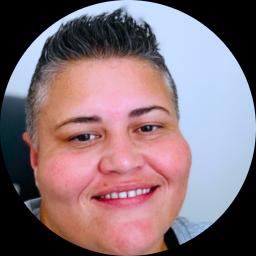
About Anthia
She approaches work from a client-centered perspective. That means she listens first and follows what the person brings to sessions. She uses Cognitive Behavioral Therapy to identify unhelpful thoughts and patterns. She also draws on Dialectical Behavior Therapy skills and motivational interviewing to support change.
Sessions are conversational and focused on practical steps. Clients can expect to talk through recent problems and try small experiments between meetings. Anthia emphasizes identifying strengths and building skills to manage emotions and cravings, and to reduce avoidance or self-critical thinking.
She pays attention to how relationships, identity, and past hurts shape current feelings. Common topics include loneliness, attachment wounds, guilt and shame, and trouble trusting others. She helps people name those patterns and consider different ways of responding.
Anthia has worked in a range of settings across her career and brings sixteen years of experience to each session. She offers guidance on coping strategies, communication, motivation, and mood management while encouraging realistic, gradual steps forward.
Areas of expertise
Primary focus
Also works with
Additional focus areas
Therapeutic approaches
Experience
16+ years
Credentials
Florida
Languages
English
How her approaches translate to online work
Anthia uses Client-Centered Therapy and Cognitive Behavioral Therapy in ways that adapt well to remote sessions. Client-Centered Therapy means conversations focus on the person's own goals and experiences, letting the therapist reflect, ask clarifying questions, and follow what matters most. Cognitive Behavioral Therapy involves identifying unhelpful thoughts and testing small behavior changes between sessions to see what works.Finding the right approach is part of the work together. She will discuss which methods fit the person's needs, goals, and preferences and adjust techniques as progress is made. That collaborative planning helps pick exercises and between-session tasks that are realistic for each person.
The biography did not specify session formats, so confirm the available options before booking. Online work can make it easier to fit sessions into a busy life, such as scheduling a shorter check-in during a lunch break, avoiding travel time, or choosing not to use video when that helps someone focus. Licensed professionals can adapt CBT and client-centered conversations to suit those practical needs while keeping sessions focused on clear goals and small steps.
Frequently asked questions
What concerns does she help with?
She works with stress, anxiety, depression, addictions, LGBTQ-related issues, grief, trauma, and self-esteem concerns. Additional focuses include guilt and shame, attachment issues, and motivation.
How would she approach feelings of guilt or shame?
She uses a client-centered style and practical techniques from CBT and DBT to name unhelpful thoughts and practice new responses. The work is conversational and skill-focused.
What is her professional background?
She has 16 years of professional experience working with mood, anxiety, trauma, and substance-related concerns. That experience informs how she structures sessions and suggests coping strategies.
What are her credentials and where is she based?
She is an LMHC licensed in Florida. Her practice is listed as operating from Florida.
Does she meet with people who are not in the US?
Sessions are available to international clients. Sessions are offered in English.
What session formats does she offer?
The original biography did not list specific session formats. Please confirm current session options before booking.
How does pricing work?
Cost varies with location and sessions use a subscription that can be canceled at any time. Exact fees depend on the plan and location.
How do I start working with her?
Select the See online therapy options button, complete the short matching questionnaire, and schedule a first session.
Before you get in touch
The therapists listed here offer talking therapy online. A profile shows how someone describes their work; it cannot tell you how therapy will go, and nobody can promise that guilt or shame will ease by a certain time.
If you are thinking about harming yourself, or you feel unsafe, please contact a crisis line now. The numbers are at the foot of this page.