- Acceptance and Commitment Therapy
- Cognitive Behavioral Therapy
- Mindfulness practices
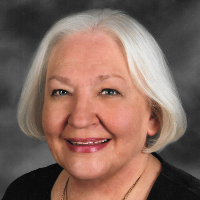
About Anita
She often supports people navigating midlife shifts, caregiver stress, chronic illness, or the changes that come with aging. She also addresses relationship strain, intimacy-related concerns, anger, and mood disorders including bipolar and depression. Guilt and shame are listed among the issues she helps people face and talk through.
In sessions she uses straightforward, evidence-informed methods. Anita draws on Acceptance and Commitment Therapy and Cognitive Behavioral Therapy to identify patterns that keep someone stuck. She blends that with Client-Centered work and mindfulness practices to slow things down and notice what matters in daily life.
Her style is down-to-earth and goal-oriented. Conversations are focused on what someone wants to change and small steps that fit day-to-day life. She also uses motivational interviewing techniques when people feel uncertain about making a shift.
People who choose her often want help with grief, caregiving strain, chronic pain or life purpose questions. Anita works with adults who need practical support and clearer choices as they move forward.
Areas of expertise
Also works with
Additional focus areas
Therapeutic approaches
Experience
40+ years
Credentials
Michigan
Languages
English
How Anita uses therapeutic approaches online
Acceptance and Commitment Therapy (ACT) helps people notice painful thoughts and choose actions that align with their values. It is often used for anxiety, grief, and persistent shame by shifting focus from getting rid of feelings to living a meaningful life.Cognitive Behavioral Therapy (CBT) looks at the link between thoughts, feelings, and behavior. It teaches practical skills to challenge unhelpful thinking and to develop small behavior changes that reduce anxiety and improve mood.
Finding the right approach is part of the work. The therapist will collaborate with each person to decide whether ACT, CBT, mindfulness exercises, or motivational interviewing fits best for their goals. That choice can change over time based on what is helpful.
Confirm current session options before booking, since specific formats are not listed in the biography. Online sessions can make it easier to fit therapy around caregiving, work, or health limitations. They can allow shorter check-ins, reduce travel time, and be scheduled during brief breaks in the day, so therapy fits into everyday life rather than replacing it.
Frequently asked questions
What kinds of problems does she help with?
She supports adults with grief, anxiety, depression, caregiver stress, relationship and intimacy concerns, and issues like guilt and shame.
How would she approach feelings of guilt or shame?
She uses ACT and CBT to notice unhelpful thoughts and to practice different responses, along with client-centered conversation to clarify values and next steps.
How much experience does she have?
Anita Tanner has 40 years of clinical experience working with adults through life transitions, grief, mood issues, and long-term stressors.
What are her credentials and where is she based?
She holds an LMSW (Licensed Master Social Worker) and practices from Michigan.
Can I work with her if I live outside the United States?
Sessions are offered to international clients; sessions are conducted in English.
What session formats are available?
Please confirm current session options before booking, as the biography does not list specific formats.
How much do sessions cost?
Cost varies with location and sessions use a subscription that can be canceled at any time.
How do I begin working with her?
Select the See online therapy options button, complete a short matching questionnaire, and schedule a first session.
Before you get in touch
The therapists listed here offer talking therapy online. A profile shows how someone describes their work; it cannot tell you how therapy will go, and nobody can promise that guilt or shame will ease by a certain time.
If you are thinking about harming yourself, or you feel unsafe, please contact a crisis line now. The numbers are at the foot of this page.