- Client-Centered Therapy
- Cognitive Behavioral Therapy
- EMDR
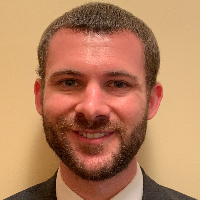
About Andrew
Andrew uses a mix of straightforward, practical methods in sessions. He draws on client-centered work to listen and follow what matters to the person. He also uses cognitive behavioral therapy to identify thinking patterns and mindfulness strategies to help with present-moment noticing.
He has worked in Northern Indiana settings and gained his LCSW after earning a Master of Social Work from Indiana University of South Bend in 2016. His LICSW was issued in 2023 and expands his practice to include Massachusetts licensure as indicated by the credential.
EMDR is among the approaches he uses for people processing traumatic memories, and he mentions trauma-focused CBT as part of his toolkit for trauma-related concerns. He describes an eclectic style that combines those methods with problem solving and motivational techniques.
Outside of clinical work he enjoys Star Wars, Marvel comics, Disney, literature, philosophy, and spirituality. He describes therapy as a place to become more aware of patterns and to identify practical supports that help daily functioning.
Areas of expertise
Primary focus
Also works with
Additional focus areas
Therapeutic approaches
Experience
5+ years
Credentials
Indiana, Massachusetts
Languages
English
Therapeutic approaches and how online sessions work
Andrew draws on client-centered therapy, which focuses on listening carefully and following what matters to the person. That approach is useful when someone needs space to talk through guilt, shame, or life transitions and wants a clinician who responds to their concerns.He also uses cognitive behavioral therapy, a practical method for noticing thought patterns and testing different ways of thinking and acting. CBT often helps with anxiety, depression, sleep problems, and reactions tied to self-criticism. Andrew mentions EMDR for working with traumatic memories; EMDR is aimed at reducing the intensity of distressing memories through an ordered process and can be used when trauma is central to a person's difficulties.
Finding the right mix of approaches is part of the work. Andrew will review your needs, goals, and preferences and collaborate on which methods to try first. That decision is made together and can change as progress is reviewed.
If you plan to use online sessions, confirm the current session options before booking since the biography does not list specific formats. Online work can make it easier to fit therapy into a busy day, allow for shorter check-ins when schedules are tight, and reduce the need to travel. Therapists and licensed professionals will discuss practical arrangements like session length, whether to use video or audio, and how to structure appointments so they fit into everyday life.
Frequently asked questions
What concerns does he commonly work with?
He lists many concerns including stress, anxiety, trauma and abuse, grief, depression, addictions, relationship issues, sleep problems, parenting strain, anger, self-esteem, bipolar, ADHD, and guilt and shame.
How would he approach feelings of guilt or shame?
He combines client-centered listening with cognitive behavioral techniques and mindfulness to help identify unhelpful thoughts and notice emotional patterns connected to guilt and shame.
What is his clinical background and experience?
He has five years of clinical experience, holds an MSW from Indiana University of South Bend, earned his LCSW in 2019, and obtained an LICSW in 2023.
What credentials and location are listed on his profile?
He is listed as MA LICSW and IN LCSW and practices in Indiana.
Does he work in other languages or with international clients?
Sessions are offered in English and he does not accept international clients.
What session formats are available?
The original biography does not list specific session formats; confirm current session options before booking.
How does cost work for sessions with him?
Cost varies with location and sessions use a subscription that can be canceled at any time.
How do I begin a first session?
Start by selecting the See online therapy options button, complete a short matching questionnaire, and schedule a first session.
Before you get in touch
The therapists listed here offer talking therapy online. A profile shows how someone describes their work; it cannot tell you how therapy will go, and nobody can promise that guilt or shame will ease by a certain time.
If you are thinking about harming yourself, or you feel unsafe, please contact a crisis line now. The numbers are at the foot of this page.