- ACT methods
- CBT tools
- Strengths focus
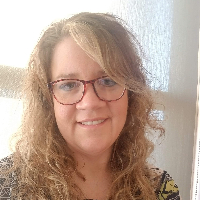
About Amanda
Amanda focuses on practical skills. She helps people build coping strategies and improve problem solving. She prioritizes short-term work when that fits, often working in an 8 to 12 session framework and then offering supportive follow-up if needed.
Her approach is person-centered and recovery oriented. She frames clients as the drivers of change and acts as a guide and mentor. Together they create choice-based plans that draw on the client’s existing strengths.
She uses evidence-based tools to increase confidence and day-to-day functioning. Sessions often focus on identifying strengths, practicing behavioral skills, and developing clearer communication with others. Amanda also supports people navigating caregiving stress and career or role transitions.
Her background includes experience in individual and group settings, and she has provided family therapy services in past roles. She also works with issues such as ADHD, grief, chronic illness, codependency, and impulsivity. Amanda accepts international clients and conducts sessions in English.
To start, she asks people to complete a short matching questionnaire and schedule a first session. Costs vary by location and use a subscription model that can be canceled at any time.
Areas of expertise
Primary focus
Also works with
Additional focus areas
Therapeutic approaches
Experience
12+ years
Credentials
Wyoming, South Dakota
Languages
English
How Amanda’s approaches translate to online work
Amanda draws on Acceptance and Commitment Therapy (ACT) and Cognitive Behavioral Therapy (CBT) in her clinical work. ACT focuses on noticing what matters to you, accepting difficult thoughts or feelings without fighting them, and taking small steps toward chosen values. It can help when guilt or shame get in the way of living in line with personal values. CBT looks at how thoughts, feelings, and actions interact and teaches practical skills to change unhelpful thinking or behavior patterns. It is useful for anxiety, depression, and managing everyday stress.Finding the right approach is part of the process. Amanda will collaborate with each person to pick methods that match their goals and preferences. She frames therapy as a shared project where the client’s priorities guide which tools are tried and for how long.
The biography does not specify session formats, so confirm current options before booking. In general, online work can make it easier to fit sessions into busy days, allow shorter check-ins when needed, and remove travel time. It can also make it simpler to continue work across moves or different time zones. Ask about the available session types when you schedule so you can choose what fits your routine.
Frequently asked questions
What kinds of problems does she help with?
She works with stress, anxiety, depression, relationship struggles, parenting strain, grief, and concerns such as guilt and shame.
What is her therapeutic style?
She uses a person-centered, recovery-oriented approach and sees herself as a guide while clients direct their progress.
How much clinical experience does she have?
She has 12 years of experience providing clinical services within a 21-year social work career.
What are her credentials and location?
She is an LCSW (Licensed Clinical Social Worker) practicing in South Dakota, with CSW-PIP credentialing in South Dakota as listed.
Does she work in languages other than English or with international clients?
Sessions are offered in English and she accepts international clients.
What session formats does she offer?
The biography does not list specific session formats, so confirm current session options before booking.
How are fees handled?
Costs vary by location and sessions use a subscription that can be canceled at any time.
How do I begin working together?
Start by selecting the See online therapy options button, complete a short matching questionnaire, and schedule a first session.
Before you get in touch
The therapists listed here offer talking therapy online. A profile shows how someone describes their work; it cannot tell you how therapy will go, and nobody can promise that guilt or shame will ease by a certain time.
If you are thinking about harming yourself, or you feel unsafe, please contact a crisis line now. The numbers are at the foot of this page.