- Client-centered work
- CBT strategies
- DBT skills
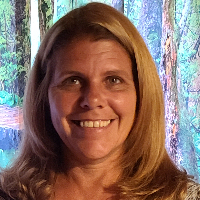
About Amanda
She draws on approaches like client-centered therapy, cognitive behavioral therapy (CBT), dialectical behavior therapy (DBT), mindfulness, and trauma-focused work. Sessions are practical and focused on what someone is carrying now. Amanda aims to help people name difficult feelings, notice patterns in thought and behavior, and practice skills that change how those patterns play out day to day.
Her background includes a Master of Social Work and substantial military service, which informs her perspective on stress and trauma. She has experience advocating for children and supporting foster and adoptive families, and she has worked with people affected by deployment and military life.
In therapy she uses straightforward tools from CBT and DBT alongside mindfulness and trauma-focused strategies. That can mean learning specific ways to manage intense emotions, trying out different behaviors in small steps, or gently revisiting painful memories to reduce their charge. Work typically mixes skill practice, reflection, and practical problem solving.
Amanda encourages clear goals and small experiments between sessions. People who bring guilt or shame often focus first on understanding where those feelings come from, then on testing new responses to old situations. She helps people move from being stuck by offering concrete skills and steady support.
Areas of expertise
Primary focus
Additional focus areas
Therapeutic approaches
Experience
10+ years
Credentials
South Carolina
Languages
English
How Amanda uses evidence-based approaches in online work
Client-centered therapy focuses on listening, reflecting, and helping people name what matters to them. It is useful when someone wants a respectful space to sort feelings like guilt or shame and to set goals at their own pace.Cognitive Behavioral Therapy, or CBT, looks at how thoughts influence feelings and actions. It teaches clear techniques to test and change unhelpful thoughts and gradual behavior changes to reduce anxiety or depressive patterns.
Dialectical Behavior Therapy, DBT, offers practical skills for managing intense emotions and improving interpersonal effectiveness. DBT skills can help when guilt, shame, or anger lead to impulsive reactions or relationship problems.
Choosing an approach is a collaborative process. The therapist will talk with the client about needs, goals, and preferences and then try methods that fit. That collaboration may include combining skills practice, mindset work from CBT, and emotion regulation strategies from DBT.
The biography does not list specific session formats, so confirm available online options before booking. Online sessions can make it easier to fit therapy into a busy week, shorten travel time, and help people keep continuity while traveling or between life commitments. Ask about the current session types when arranging the first appointment.
Frequently asked questions
What kinds of concerns does she address?
Amanda works with stress, anxiety, relationship and family concerns, trauma and abuse, and depression. She also focuses on issues like guilt and shame, adoption and foster care, dissociation, and first responder or veteran-related matters.
How does she approach guilt and shame?
She uses client-centered conversation alongside CBT and DBT techniques to help people notice unhelpful thoughts and practice different responses. The work mixes skills practice, reflection, and problem solving.
What is her background and experience?
She has ten years of clinical experience, a Master of Social Work, and a long military career which informs her understanding of trauma and stress.
What are her credentials and where is she based?
She is licensed as an LISW-CP in South Carolina and practices from that state.
Are sessions available in other languages or internationally?
Sessions are offered in English and international clients are accepted.
What session formats does she offer?
The original biography does not specify session formats; please confirm current session options before booking.
How is cost handled for sessions?
Cost varies with location and sessions use a subscription model that can be canceled at any time.
How do I begin working with her?
Start by selecting the See online therapy options button, completing the short matching questionnaire, and scheduling a first session.
Before you get in touch
The therapists listed here offer talking therapy online. A profile shows how someone describes their work; it cannot tell you how therapy will go, and nobody can promise that guilt or shame will ease by a certain time.
If you are thinking about harming yourself, or you feel unsafe, please contact a crisis line now. The numbers are at the foot of this page.