- CBT methods
- Motivational interviewing
- Person-centered care
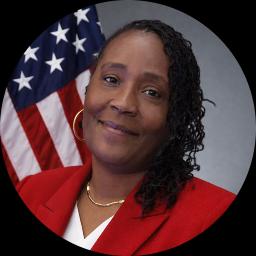
About Aleisa
Aleisa uses a conversational, interactive style in sessions. She listens and responds with respect and sensitivity. Sessions focus on practical steps and clearer thinking rather than jargon. She draws on person-centered ideas to keep conversations focused on the client's perspective.
She also uses cognitive-behavioral techniques to identify patterns of thought and behavior that contribute to distress. Motivational interviewing appears in her work when people are weighing change, especially around substance use or other addictive behaviors. Solution-focused tools help with short-term goals and immediate problems.
Clients come to her with a wide range of issues, including family conflict, caregiver stress, abandonment concerns, codependency, and forgiveness questions. She has long experience supporting people who have experienced physical, emotional, or verbal abuse and those managing co-occurring mental health and substance use challenges.
Her approach often blends clear skills practice with reflective conversation. She aims to help people notice what keeps them stuck and try manageable alternatives. To begin, clients follow the site's process to complete a matching questionnaire and schedule a first session.
Areas of expertise
Primary focus
Also works with
Additional focus areas
Therapeutic approaches
Experience
25+ years
Credentials
North Carolina, Florida
Languages
English
How her approaches translate to online work
Aleisa often uses client-centered work that focuses on the persons concerns and perspective. This means conversations aim to clarify what matters to the client and to shape sessions around their priorities. Cognitive-behavioral therapy (CBT) is also a regular part of her practice; CBT helps identify unhelpful thoughts and test new behaviors, which can be practiced between sessions. Motivational interviewing is used when people are ambivalent about change, helping them weigh options and find internal reasons to move forward.Figuring out which approach fits best is part of the early sessions. She will discuss goals, preferences, and past experiences and then work collaboratively to decide which methods to emphasize. That collaboration continues as goals evolve and new priorities emerge.
Session formats should be confirmed before booking via the site's online therapy options. Online work can make it easier to fit sessions into a busy week, allow shorter check-ins when needed, or avoid travel time. Those practical benefits often make regular appointments easier to keep while still focusing on the concrete skills and decisions that matter most.
Frequently asked questions
What kinds of problems does she help with?
She works with stress, anxiety, depression, addictions, relationship and family concerns, trauma and grief among other issues.
How would she approach shame or guilt related issues?
She combines person-centered listening with cognitive-behavioral techniques to examine thoughts and actions and to find practical steps forward.
What is her professional background and experience?
She is an LCSW with 25 years of experience as a psychotherapist working with a wide range of mental health and substance use concerns.
Where is she licensed to practice?
She holds LCSW credentials in North Carolina and Florida and practices from North Carolina for the services listed.
Does she offer sessions in languages other than English?
Sessions are offered in English only.
What session formats are available?
Confirm current session options before booking by checking the online therapy options on the site.
How are sessions priced?
Cost varies with location; sessions use a subscription that can be canceled at any time.
How do I get started with her?
Select the See online therapy options button, complete the short matching questionnaire, and schedule a first session.
Before you get in touch
The therapists listed here offer talking therapy online. A profile shows how someone describes their work; it cannot tell you how therapy will go, and nobody can promise that guilt or shame will ease by a certain time.
If you are thinking about harming yourself, or you feel unsafe, please contact a crisis line now. The numbers are at the foot of this page.