- Guilt and shame
- Relationship issues
- English and Spanish
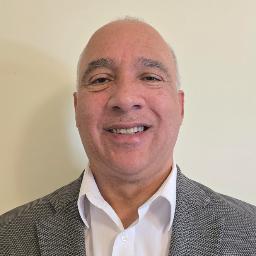
About Adrian
Adrian uses straightforward conversation to help people name what's bothering them. Sessions focus on practical steps and clearer thinking rather than jargon. He listens for patterns that keep someone stuck and helps test small changes in day-to-day life.
He pays attention to how past hurts and attachment wounds affect present relationships. That can include exploring forgiveness, boundaries, and how trust developed or broke over time. Adrian helps people map out when shame or guilt shows up and what keeps those feelings active.
When someone is dealing with chronic pain, illness, or disability, he looks at how those realities shape mood, identity, and connection. For panic or PTSD symptoms he helps people identify triggers and build manageable coping options. He emphasizes short, doable steps so progress feels tangible.
Sessions are conversational and goal-focused. Adrian offers work in English and Spanish and aims to be clear about next steps between meetings. To begin, a brief intake helps set priorities and the first small goals for therapy.
Areas of expertise
Primary focus
Additional focus areas
Experience
15+ years
Credentials
Virginia
Languages
English, Spanish
How therapeutic approaches are used in online sessions
Adrian works with evidence-based therapeutic techniques that focus on practical change and clearer thinking. One common approach is trauma-informed care, which means noticing how past injuries affect current reactions and pacing work so people can tolerate exploring difficult memories. This helps when someone is coping with PTSD, abuse, or strong emotional reactions.Another frequent approach is skills-based work that targets anxiety and panic. That looks like learning simple behavioral and breathing strategies, planning brief exposure to feared situations, and building routines to reduce intense symptoms. These techniques aim to make day-to-day life more manageable.
Figuring out the right mix of approaches is part of the collaboration. The therapist will talk with each person about goals, symptoms, and preferences, and then try methods that fit those aims. Adjustments happen along the way based on what helps most.
If you want online sessions, confirm the exact formats available before booking. Many people find remote sessions help fit therapy into work, caregiving, or other routines because they remove travel time and allow for shorter check-ins when needed. Others appreciate being able to choose sessions in English or Spanish to match their comfort.
Frequently asked questions
What concerns does he help with?
He works with stress, anxiety, relationship problems, trauma and abuse, self-esteem, depression, and related issues such as guilt and shame.
How does he approach shame and guilt?
He helps people name when shame or guilt appears and looks for patterns that keep those feelings active, using practical steps to test small changes.
What is his professional background?
He has 15 years of professional experience as a clinician working with mood, anxiety, trauma, and relational concerns.
What credential and location are listed?
He is an LCSW licensed in Virginia and practices from that state.
Which languages are offered?
Sessions are offered in English and Spanish.
Can international clients work with him?
International clients are not currently accepted.
How are sessions scheduled and paid?
Costs vary by location and sessions use a subscription model that can be canceled at any time.
How do I begin working together?
Select the See online therapy options button, complete a short matching questionnaire, and schedule a first session.
Before you get in touch
The therapists listed here offer talking therapy online. A profile shows how someone describes their work; it cannot tell you how therapy will go, and nobody can promise that guilt or shame will ease by a certain time.
If you are thinking about harming yourself, or you feel unsafe, please contact a crisis line now. The numbers are at the foot of this page.